Apple PaperCraft Sculpture: A Designer’s Review
As an embroidery designer who has spent years translating digital concepts into tangible, stitched realities, I approach every new machine embroidery design with a mix of curiosity and caution. We are often bombarded with files that look stunning on a screen but fail to translate well onto fabric. Today, I am taking a close look at the Apple PaperCraft Sculpture. While the title suggests a papercraft origin, my interest lies in how this specific aesthetic translates into the world of thread and needle. Is it merely a novelty, or is it a viable asset for a serious craft business? Let’s dive into the practicalities.
First Impressions: Simplicity Meets Structure
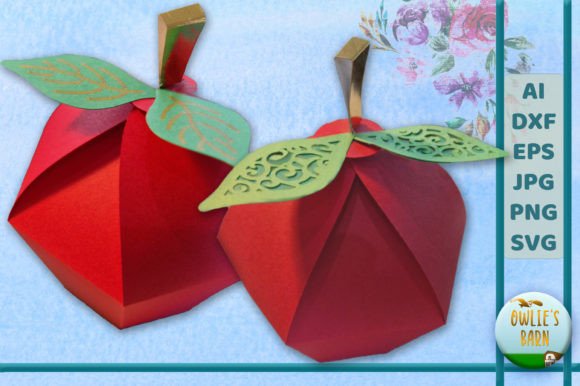
The first thing that strikes me about the Apple PaperCraft Sculpture is its deliberate minimalism. In a market saturated with hyper-realistic fruits and overly complex shading, this design chooses elegance through simplicity. It belongs to the Shapes category, which immediately tells me that the focus is on form rather than intricate detail. For an embroidery project, this is often a blessing. Complex designs can become muddy when scaled down, but a strong, clean shape holds its integrity regardless of size.
The visual personality here is playful yet refined. It evokes a sense of handmade charm, reminiscent of cut-out art or origami. This mood is crucial because it dictates where the design will succeed. It does not scream for attention; instead, it invites a closer look. For those of us creating handmade products, this subtlety is a powerful tool. It allows the quality of the stitching and the choice of thread colors to take center stage, rather than relying on the design to do all the heavy lifting.
Real-World Application: From Screen to Stitch
To truly evaluate the Apple PaperCraft Sculpture, I imagined a real-life scenario. Suppose I am preparing a custom order for a boutique client who wants a line of eco-friendly tote bags. The client desires something modern, organic, and appealing to a younger demographic. This is where the design shines. As a tote bag design, the apple motif fits perfectly with themes of sustainability, health, and natural living.
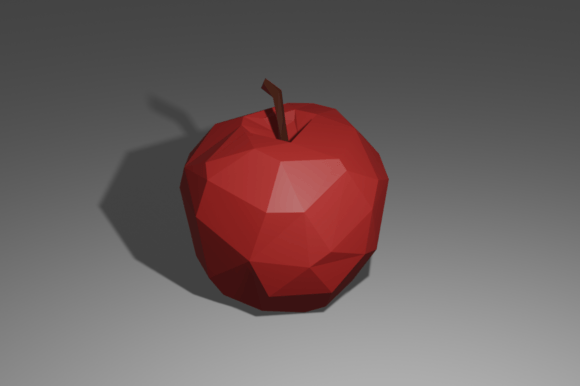
When I visualize this as an embroidered patch or directly stitched onto canvas, the structural lines of the "papercraft" style provide clear boundaries for satin stitch borders. The interior could be filled with a light fill stitch to add texture without adding excessive bulk. Because the design is essentially a 3D SVG concept adapted for embroidery, it likely relies on color blocking to create the illusion of depth. This means I need to be strategic with my thread colors. Using two slightly different shades of red, or a red and a soft pink, can mimic the folded paper effect effectively.
Beyond tote bags, consider sweatshirt embroidery. A small placement on the chest or a larger statement piece on the back could work beautifully. The clean lines ensure that the design remains legible even on textured fabrics like fleece or French terry. For baby embroidery, this simple shape is ideal. It is recognizable and sweet without being cluttered, making it perfect for onesies or nursery decor items like pillow covers.
Navigating Technical Challenges
However, no design is without its pitfalls. When working with a style that mimics 3D structures, we must be mindful of stitch density. If the design attempts to create too many "layers" through dense stitching, it can cause puckering, especially on lighter fabrics. I always advise testing the design on scrap fabric first. This is non-negotiable. You need to see how the tension interacts with the specific material you are using.
Curved surfaces present another challenge. If you are applying this to a cap or a curved hat panel, the geometric nature of the papercraft style might distort if not properly digitized for that specific curvature. Always check the hoop size requirements. While the design is simple, ensure that the smallest details do not fall below the minimum stitch length your machine can handle reliably. Tiny corners in a "folded" look can easily turn into messy knots if the digitizing is not precise.
Additionally, consider the fabric texture. On highly textured materials like toweling or thick wool, fine details can get lost. The Apple PaperCraft Sculpture relies on clean edges, so it performs best on smooth to medium-texture fabrics like cotton, linen, or denim. If you are working with stretchy fabric, a proper stabilizer is essential to maintain the shape’s integrity during and after washing.
Commercial Viability and Brand Consistency
For Etsy sellers and small shop owners, the commercial potential of this design is significant. It is versatile enough to fit into various product lines, from holiday embroidery projects for autumn harvest themes to everyday custom apparel. The key to success here is consistency. If your brand focuses on minimalist, modern aesthetics, this design aligns perfectly. It enhances brand recognition by offering a cohesive look across different products.
When creating printable mockups or digital previews for your online store, remember that the perceived value of the finished product depends heavily on presentation. Show the design on high-quality garments. Highlight the texture of the stitches. Customers buying personalized gifts want to feel the quality through the screen. A well-executed Apple PaperCraft Sculpture can elevate a simple item into a premium product, fostering customer trust and engagement.
Practical Notes for the Embroidery Designer
Before you commit to purchasing or using this digital embroidery file for commercial embroidery projects, there are several steps you should take:
- Verify Licensing: Always confirm the license terms. Can you sell finished items? Are there restrictions on the number of units? Never assume; always read the fine print.
- Check File Formats: Ensure the embroidery file is compatible with your specific machine brand. Common formats include PES, DST, and JEF, but availability varies.
- Test Color Contrast: Try the design in black and white mockups first. If the shape loses its definition without color, the contrast between your chosen threads needs to be sharper.
- Inspect Stitch Types: Look closely at the digitizing. Are the edges satin stitched or running stitched? Satin provides a polished look but adds bulk; running is subtle but less durable. Choose based on the end use.
- Consider the Audience: Who is buying this? If it is for children, durability is key. If it is for decorative home goods, aesthetic precision is paramount.
In conclusion, the Apple PaperCraft Sculpture is a thoughtful addition to any designer’s library. It bridges the gap between digital art and tactile craft with grace. By understanding its strengths and respecting its technical requirements, you can create stunning small shop products that resonate with customers. It is not just a shape; it is a opportunity to showcase your skill in turning simple concepts into cherished design assets.