Review: 3D Forest Inside Deer Papercut Design
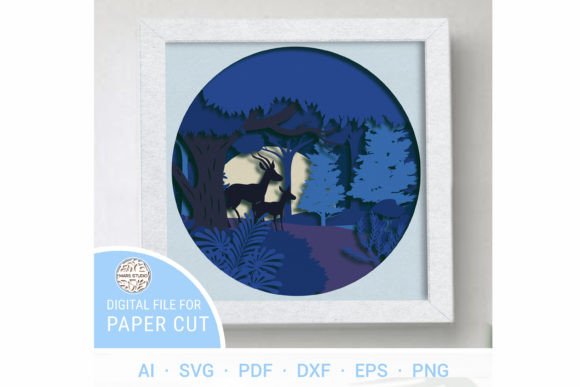
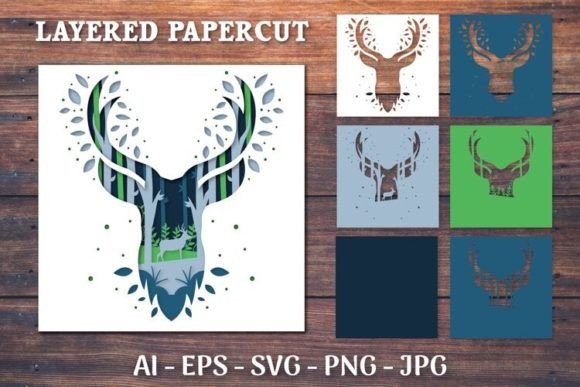
As a designer who has spent years digitizing patterns and testing machine embroidery design files for clients, I have learned that not every beautiful graphic translates well to thread. When I first opened the 3D Forest Inside Deer Layered Papercut file, my initial reaction was one of cautious admiration. The concept is striking: a silhouette of a deer head containing a dense, layered forest scene. It mimics the trendy aesthetic of laser-cut paper art, but translating this intricate, multi-layered look into an embroidery project requires careful planning.
This review is written from the perspective of someone who needs to know if this asset will hold up in real-world production. Whether you are an Etsy seller looking for your next best-seller or a hobbyist making a personalized gift, understanding the technical realities of this design is crucial before you hit "start" on your machine.
First Impressions and Visual Mood
The 3D Forest Inside Deer Layered Papercut evokes a sense of wilderness and tranquility. The layering effect creates depth, suggesting that the forest is not just on the surface but exists within the spirit of the animal. For embroidery, this visual complexity is both a strength and a challenge. The design relies heavily on contrast to define the layers. In a digital 3D SVG format used for shadow boxes or paper crafts, this depth is physical. In embroidery, we must simulate that depth through stitch types and thread choices.
The layout is centered and balanced, making it ideal for chest placements on apparel or central motifs on home decor. However, the density of the trees within the deer’s antlers and head shape means there is very little negative space. This immediately signals to me that this is not a quick-stitch file. It is a statement piece.
Real-World Application: The Custom Sweatshirt Test
To evaluate this properly, I imagined using this design for a high-end custom apparel order: a heavyweight, cream-colored crewneck sweatshirt for a boutique client. The goal was to create a handmade product that feels luxurious and artistic.
In this scenario, the 3D Forest Inside Deer Layered Papercut performs exceptionally well as a focal point. Because the design is intricate, it draws the eye immediately. On a thick fabric like fleece or French terry, the design sits on top of the material rather than sinking in, which helps maintain the clarity of the smaller tree details. If I were stitching this for a tote bag design, the same principle applies. Canvas provides a stable base that supports the weight of the stitches without distorting the shape.
However, I would hesitate to use this exact configuration on a thin, stretchy jersey knit for a standard t-shirt without significant stabilization. The sheer volume of thread required to fill the forest layers could cause puckering if the fabric cannot support the tension. For baby embroidery items, such as a onesie, I would recommend scaling the design down significantly or simplifying the inner layers to reduce stiffness against sensitive skin.
Navigating Technical Challenges
While the aesthetic is beautiful, there are specific areas where this design demands respect from the operator. Here is what you need to watch out for:
- Stitch Density and Bulk: The "layered" aspect implies overlapping elements. In embroidery, this translates to high stitch density. If you are creating an embroidered patch, this is less of an issue because the backing stabilizes everything. But on a garment, too many layers of fill stitch can make the fabric rigid. I recommend checking the underlay settings in your software if you have the editable Ai or Eps files, or running a test stitch-out to feel the bulk.
- Small Details and Breakage: The tiny branches and tree trunks within the deer silhouette are delicate. On curved surfaces like caps or hats, these fine lines might distort due to the curvature of the hoop. This design is best suited for flat hooping areas.
- Thread Color Contrast: To achieve the "papercut" look, you need distinct separation between layers. Using similar shades of green or brown will cause the design to look muddy. I suggest using a monochromatic scheme with varying values (light to dark) or a high-contrast palette, such as navy threads on a white background, to make the layers pop.
- Fabric Texture: Avoid highly textured fabrics like bouclé or heavy tweed for this specific design. The intricate details of the forest will get lost in the noise of the fabric weave. Smooth cottons, linens, and stable knits are your best friends here.
Commercial Viability for Small Shops
For craft business owners and small shop product creators, the 3D Forest Inside Deer Layered Papercut offers strong commercial potential. Nature-themed designs are evergreen sellers, particularly for holiday embroidery during the autumn and winter seasons. This design fits perfectly into niches focused on hiking, camping, wildlife conservation, or rustic cabin decor.
Because the file includes formats like Svg, Png, and Jpg alongside the vector files, you can leverage this single purchase across multiple product lines. You can use the digital embroidery file for stitched goods and the Png for printable mockup listings or sublimation products like mugs and posters. This versatility increases the return on investment for your design assets.
When listing this as a finished product on platforms like Etsy, emphasize the craftsmanship. Buyers appreciate knowing that a complex design was carefully stitched. Use terms like "intricate forest detail" and "layered aesthetic" in your descriptions to highlight the value proposition. This helps justify a higher price point compared to simpler, single-layer designs.
Practical Designer Notes for Best Results
Before you commit to a full production run, follow these steps to ensure quality:
- Test on Scrap Fabric: Always stitch a sample on the exact fabric you plan to use. Check for puckering and thread breaks.
- Use Proper Stabilizer: Given the density, a cut-away stabilizer is likely necessary for garments to provide long-term support. For towels or non-stretch items, a tear-away might suffice, but test first.
- Check Hoop Size: Ensure your machine’s hoop can accommodate the full width of the deer antlers. If you need to resize, be careful not to make the internal forest details too small to stitch cleanly.
- Verify Licensing: While the product description mentions various uses, always confirm the license terms for commercial embroidery if you plan to sell the stitched items. Ensure you are compliant with the creator's rules regarding mass production.
- Mockup in Black and White: Before choosing threads, view the design in grayscale. If the layers do not distinguish themselves in black and white, they will not stand out in color. Adjust your thread choices accordingly.
Final Verdict
The 3D Forest Inside Deer Layered Papercut is a sophisticated design that bridges the gap between digital art and tactile craft. It is not a beginner-friendly "plug and play" file due to its complexity, but for an experienced operator, it is a rewarding challenge. It excels in applications where detail and mood are prioritized, such as sweatshirt embroidery, decorative pillows, and wall hangings.
If you are looking to elevate your brand consistency with high-quality, nature-inspired imagery, this design is a strong contender. Just remember that the beauty of the final finished product depends entirely on your preparation, stabilizer choice, and thread selection. Treat the design with the respect its detail demands, and it will become a standout piece in your portfolio.